Recycling and Sustainability at St Pancras Carpet Cleaners
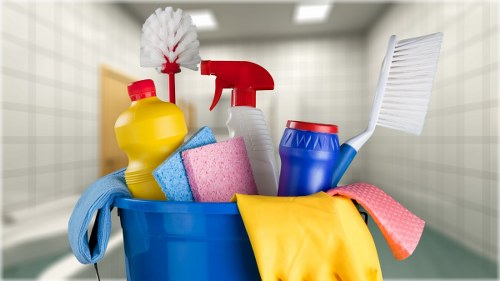 At St Pancras Carpet Cleaners, sustainability is part of how we plan, clean, transport, and dispose of materials every day. Our approach to recycling carpet waste and reducing environmental impact is shaped by the needs of central London, where space is limited, collections must be efficient, and waste streams need to be separated carefully. We work toward a recycling percentage target of 90% for suitable recoverable materials by prioritising reuse, repair, and responsible sorting before anything is sent for disposal. In a busy area like St Pancras, that means treating every job with a careful eye for what can be salvaged, what can be recycled, and what can be diverted away from landfill.
Our sustainability plan begins with practical choices. We use low-carbon vans designed to reduce emissions on local routes, helping us keep our carbon footprint lower while serving homes, offices, managed buildings, and commercial premises across the neighbourhood. These vehicles support efficient scheduling and fewer unnecessary journeys, which is especially valuable in an area with dense traffic, controlled access streets, and frequent stop-start driving. By combining route planning with fuel-efficient transport, our eco-friendly carpet cleaning service in St Pancras can operate with less waste and lower emissions.
We also recognise that local recycling systems matter. Across London boroughs near St Pancras, waste separation commonly includes distinct streams for paper, glass, metals, food waste, and dry mixed recycling, while bulky items and textile-like materials may require separate handling. That matters for carpet cleaning because recovered fibres, packaging, plastic wraps, and related waste must be sorted correctly before transfer. Our team follows a disciplined separation process so that recyclable components are not mixed with general waste. This supports the wider borough approach to recycling and helps improve the quality of materials sent onward for processing.
Responsible Recycling Practices
Recycling St Pancras carpets and associated materials is not only about disposal, but about giving recovered items the best possible second life. When we remove packaging, protective sheeting, worn pads, or replaceable accessories, we assess whether these items can be reused, repaired, or directed to appropriate recycling routes. In many cases, cardboard, certain plastics, and metal fittings can be separated at source. We also work to minimise contamination, because cleaner sorting improves the chance that materials can be processed efficiently at local transfer stations and recycling facilities.
Our team aims to keep a high proportion of recoverable waste out of residual disposal streams. The 90% recycling target applies as a benchmark for suitable non-hazardous materials we handle across routine work. To support that goal, we use simple but effective habits: separating waste on site, storing recyclables securely, and ensuring loads are prepared for the correct facilities. This approach is aligned with the way London boroughs encourage residents and businesses to separate waste more carefully, particularly where mixed materials can reduce recycling quality if they are not sorted properly.
 As part of our commitment to green carpet cleaning in St Pancras, we make use of local transfer stations for the responsible movement of sorted waste. These stations serve as important links between collection and specialist recycling or recovery facilities, especially in a central urban setting where direct transport to processing sites may not be practical. By using nearby transfer points, we can reduce travel distances, manage loads more efficiently, and make sure recyclable fractions are directed to the right place. This is an important part of keeping our operations both environmentally conscious and logistically sound.
Charity Partnerships and Reuse
We are also committed to charity partnerships that extend the useful life of items wherever possible. When equipment, furnishings, or materials are no longer needed on a job but remain in usable condition, we look for opportunities to donate them to local charitable organisations, community groups, or reuse projects. This can include surplus supplies, lightly used protective items, and other appropriate materials that still have value. Supporting charities helps reduce waste and strengthens the circular economy by making sure usable items are kept in circulation rather than discarded prematurely.
In practice, this means thinking beyond the immediate clean. A sustainable carpet cleaning company in St Pancras should consider the full lifecycle of the materials it handles. Some items can be refurbished, some can be passed on, and some can be broken down into recyclable parts. We take a reuse-first approach wherever possible, because recycling is only one part of a wider sustainability strategy. Reuse often saves more energy than reprocessing, and it can deliver a direct social benefit when items are redirected to causes that support local people and services.
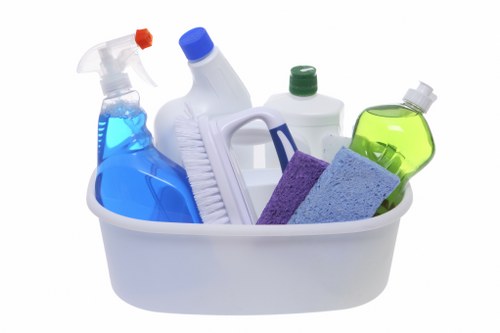 We also pay attention to the materials we bring to site in the first place. Reduced packaging, bulk purchasing, and choosing products with recyclable containers all help lower waste generation. In an area like St Pancras, where borough recycling systems already place emphasis on separating dry recyclables from general waste, choosing cleaner supply chains makes a real difference. Our objective is to support those local efforts by ensuring that what we collect, use, and transport is handled with care and with a low-waste mindset.
Low-Carbon Operations for a Cleaner Future
The transition to low-carbon vans is one of the most visible parts of our sustainability work. These vehicles are selected to reduce emissions while still meeting the demands of daily service across Camden and the surrounding central London area. With cleaner transport, we lower the environmental impact of each visit and make our scheduling more efficient. Less idling, smarter routing, and fewer repeat trips all contribute to a cleaner operation. This supports the wider aim of providing a sustainable carpet cleaning service without compromising reliability.
Our team also remains mindful of the area’s approach to waste separation, which influences how we manage collections after each visit. In boroughs around St Pancras, residents and businesses are encouraged to separate recycling streams carefully, and that same principle applies to our work. We separate recyclable packaging from general waste, keep reusable materials apart, and ensure that anything suitable for recovery is directed accordingly. This small but disciplined process is what turns sustainability from a slogan into a working system.
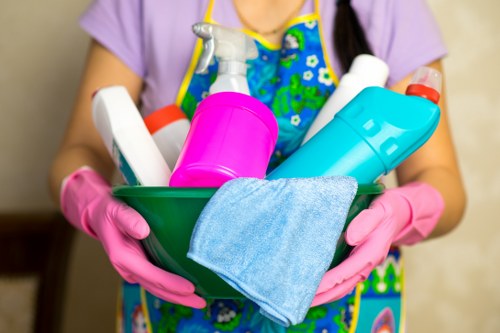 Before closing, it is worth noting that sustainability is not a single action but a chain of responsible decisions. From choosing lower-emission vans and sorting waste at source to using local transfer stations and working with charities, every step helps build a more circular service model. We believe that recycling carpet cleaning waste in St Pancras should reflect the same standards of care expected across the wider community: practical, transparent, and focused on long-term environmental benefit.
Our Ongoing Commitment
 Looking ahead, St Pancras Carpet Cleaners will continue refining its recycling methods, improving the share of recoverable materials we divert from disposal, and strengthening our partnerships with local organisations. Whether through charitable reuse, better separation of waste, or the use of low-carbon vans, our aim is to keep raising the bar for eco-conscious carpet cleaning in St Pancras. We see sustainability as an ongoing commitment, one that fits the character of a busy London district and supports a healthier future for the area.